The Problem of Alcoholism

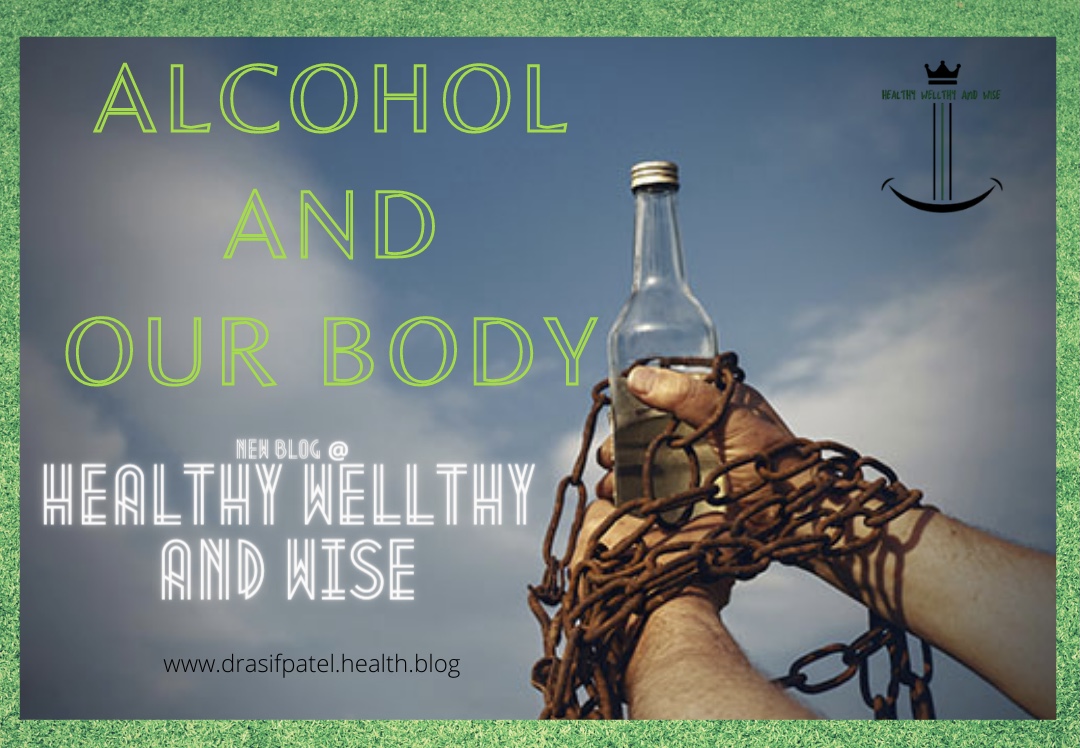
A lot of alcohol was consumed in the name of celebration last week all over the world. Without judging anyone, let’s talk about this alcohol today. Alcohol’s impact on your body starts from the moment you take your first sip. While alcohol affects all the areas of life like social, financial, politics, etc, we will discuss effects of alcohol on health.

Inflammatory damage

The liver is an organ which helps break down and remove harmful substances from your body, including alcohol. Long-term alcohol use interferes with this process. It also increases your risk for chronic liver inflammation and liver disease. The scarring caused by this inflammation is known as cirrhosis. The formation of scar tissue destroys the liver. As the liver becomes increasingly damaged, it becomes difficult to remove toxic substances from your body.

Sugar levels

The pancreas helps regulate your body’s insulin use and response to glucose. When your pancreas and liver aren’t functioning properly, you run the risk of experiencing low blood sugar which can be life threatening. A damaged pancreas may also prevent the body from producing enough insulin to utilize sugar. This can lead to hypergycemia, or too much sugar in the blood. This predisposes to diabetes and  complicates already established diabetes.

Central nervous system

One of the easiest ways to understand alcohol’s impact on your body is by understanding how it affects your central nervous system. Slurrred speech is one of the first signs that your coordination and thus the brain is affected. Alcohol can reduce communication between your brain and your body. This makes coordination more difficult. You may have a hard time balancing. Hence the restriction on driving.

As alcohol causes more damage to your central nervous system, you may experience numbness and tingling sensations in your feet and hands.

Alcohol also makes it difficult for your brain to create long-term memories. It also reduces your ability to think clearly and make rational choices. Over time, brain damage(frontal lobe) can occur. This area of the brain is responsible for emotional control, short-term memory, and judgement, in addition to other vital roles.

Chronic and severe alcohol abuse can also cause permanent brain damage. This can lead to Wernicke’s-Korsakoff psychosis, a brain disorder.

Addiction

Some people who drink heavily may develop a physical and emotional dependency on alcohol. Alcohol withdrawal can be difficult and life-threatening. Seizures, hallucinations, and delirium may occur in severe cases of withdrawal. More about addiction later.

Digestive system

The connection between alcohol consumption and your digestive system might not seem immediately clear. The side effects often only appear after there has been damage. And the more you drink, the greater the damage will become. Alcohol can damage the tissues in your digestive tract and prevent your intestines from digesting food and absorbing nutrients and vitamins. So alcoholics tend to be deficient of minerals and vitamins. Difficulty absorbing vitamins and minerals from food can cause anemia- a condition where you have a low hemoglobin.

For people who drink heavily, ulcers or hemorrhoids (due to dehydration and constipation) are common. Intestinal perforations, gastritis, blood in vomitus are common presentations of alcoholics in any hospital emergency department.

Cancer

People who consume too much alcohol may also be at risk for cancer. People who drink frequently are more likely to develop cancer in the mouth, throat, esophagus,colon, or liver. People who regularly drink and use tobacco together have an evern greater cancer risk.

Digestive and endocrine glands

Drinking too much alcohol can cause abnormal activation of digestive enzymes produced by the pancreas. Buildup of these enzymes can lead to inflammation known as pancreatitis. Pancreatitis can become a long-term condition and can cause serious conmplications.

Circulatory system

Alcohol can affect your heart and lungs. People who are chronic drinkers of alcohol have a higher risk of heart-related issues than people who do not drink. Women who drink are more likely to develop heart disease than men who drink.

Circulatory system complications include: high blood pressure, heart attack, heart failure, heart muscle weakness(cardiomyopathy) etc.

Immune system

Drinking heavily reduces your body’s natural immune system. This makes it more difficult for your body to fight off invading germs and viruses. People who drink heavily over a long period of time are also more likely to develop pneumonia or TB than the general population. About 10 % of all TB cases worldwide are associated to alcohol consumption.

I think no other substance has such a multidimensional portfolio of damage potential. Yet alcohol happens to be one of the most consumed drink in the world. 

If you are currently consuming alcohol, think over it and seek ways to get rid of it. Seek professional help if you feel so.

If you haven’t tasted alcohol yet, congratulations! Never even touch it.

“As an alcoholic, you will violate your standards quicker than you can lower them”

Robbin Willliams, Weapons of Self Destruction.

Behind the scenes of Covid Pandemic

Corona Virus Disease i.e. CoViD shook the year 2020. Originating from Wuhan, it spread rapidly among so called ‘Homo Sapiens’ killing more than 1.6 million! To restrict the spread lockdowns were imposed in many countries and world came to a standstill. Schools closed. Trains stopped. Flights grounded. Theatres closed. Stadiums closed. Mecca closed. Vatican city closed. Mandirs closed. Gurudwaras closed. But the world didn’t change much inside the hospital campus. Or I must say, it changed a lot.

First covid case in India.

India’s first confirmed Covid case was detected on 30th January 2020 and the preparations began. One entire building was designated as ‘Dedicated Covid Hospital’, while rest of the hospital building serving for non-covid patients as well. Medicines and equipments were stocked up, new oxygen plant set up and more health staff called in. Canteen discussions changed from random chatter-patter to that of predictions, fear and anxiety about upcoming crisis. Newspapers on the dining table read the stories from Italy. It was hard for us to imagine situation here in India, when we saw that health system of rich european countries collapsed like a pack of cards. Someone informed that UK’s health system was so overstretched that they were admitting patients only if the patient is not maintaining oxygen level. All these news created a weird mixed atmosphere of fear, disbelief, worry and anxiety, but also of hope and optimism.

Then came a time when the pandemic actually hit hard in India.

Those were the months of August and September. Hospitals were not full of patients. They were full of critical patients. 90% of the admitted patients were on oxygen support. ICUs were always full with a constant list of waiting patients. Waiting for someone in the ICU to die, so that they get the bed in ICU, only to be replaced by someone else later. This was painful to witness. We doctors have seen deaths. A lot of deaths. But this time, the scene was much dreadful. And it did affect us. Laughter was rare in canteen discussions now. The silence of doctor coming back from covid ICU duty was palpable. How can he/she ever forget the ICU ward, where 2 deadbodies are lying on the bed waiting to be shifted to mortuary, two patients waiting on stretcher outside ICU, one patient in the ambulance downstairs and two more patients deteriorated in wards. Five patients and just two potential beds vacant. What to do?!

Covid is a ruthless disease

It was predictable quite earlier that India’s healthcare system will be overstretched and won’t be able to meet the demands of pandemic. But no one thought that it will collapse to the extent that doctors will have to decide whom to let die in better interest of other patient. Some may argue that doctors take such decisions all the time. Well that is not true. Here the triage was resource based. Which patients to treat in ICU when not all could be. A difficult decision indeed. Will it be ethical/acceptable to remove a patient from ventilator so that other one with probable better chances of survival be put on that ventilator? Do we doctors have the right to decide on patient’s part about their own life? Or is this justifiable as done in better public interest, or greater good? While there were clear guidelines regarding treatment of Covid, there were no guidelines/advisories regarding ethics and morality in these situations. At times it was difficult to say what was heating up our brains more, these decisions or the hot PPEs.

Covid separates patients from their loved ones when they are the most needed.

Covid is a ruthless disease. It separates patients from their loved ones, when they are most needed. Covid won’t even let the father bid final goodbye to his anxious son who also lost his mother to covid 2 days ago. The funeral customs which facilitate community support for relieving grief of near ones were also restricted. All this created fear in the minds of society so much that people started hiding symptoms. Covid now became more of a taboo like AIDS. People didnt want their neighbours to know that they had a ‘positive’ patient in their home.

Funerals were restricted to curb further spread of disease.

 While rest of the world was staying home and working from home, healthcare workers were toiling in uncomfortable PPEs with constant risk of deadly infection. The police department was standing in scorching heat of May to ensure lockdown. NGOs and social workers were working day in and out to supply essentials to the needy. Also let’s not forget efforts taken by those engaged in Covid research. What if we still did not know the cause of this terrible disease, and had no idea how it spread?! Unimaginable right. We tend to take these things for granted. All these collective efforts by health staff and administration has helped reach where we are today. 
Happy faces of COVID ICU doctors after the shift.

One of the many things Covid has taught is how helpless we are as humans that a single invisible organism with funny shape has brought the world to knees. And that kindness and compassion are essential for survival of humans. Millions of stories of people helping each other and giving service to needy in whatever way possible rejuvenated hopes in mankind.

Stories of people coming out to help the needy have rejuvenated the faith in humanity.

People with whom we started this year are not around us today. So if you are alive and reading this today, let us be grateful to God for our life and be more kind to each other henceforth.

Whenever there is a human in need, there is an oppurtunity to be kind and make a difference.

Kevin Heath

Social media, Society and Dopamine

Last week we talked about food habits and health. You all must have an ideal meal plan for you(prepare it today if you dont have). Today we will talk about a slightly different topic. About a modern addiction- Social Media.

Social media addiction is a behavioural addiction that is characterized as being overly concerned about social media, driven by an uncontrollable urge to log on to or use social media. And also it makes you devote so much time and effort to social media that it impairs other important life areas. Psychologists estimate that as many as 5 to 10% of Americans meet the criteria for social media addiction today. Many more are not addicted per se, but spend significant hours over social media. And why not, these social media giants spend millions to hire best minds out there who sit in a room and think about ways to increase the time spent by you on social media. More time you spend on social media more revenue they get. So know that this social media isn’t here to entertain and ‘refresh’ you but to fill their pockets.

How social media addiction is similar to substance use disorder(i.e. illegal drug addiction)

  1. Mood modification: Social media is known to elevate the mood for the moment you are using it.
  2. Prominance in life: Behavioural, cognitive, and emotional preoccupation with social media
  3. Tolerance: Ever increasing time spent on social media to get the same pleasure.
  4. Withdrawl symptoms: Experiencing unpleasant physical and emotional symptoms when social media use is restricted or stopped
  5. Conflict: interpersonal problems arising because of excess social media usage
  6. Relapse: addicted individuals immediately revert back to their excessive usage after an abstinence period.

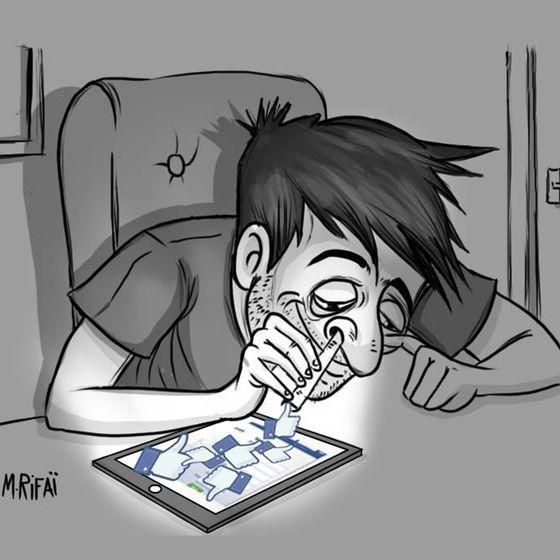
Social media platforms such as Facebook, Snapchat, and Instagram produce the same neural circuitry that is caused by gambling and recreational drugs which keep consumers using their products as much as possible. Studies have shown that the constant stream of retweets likes, and shares and never ending scroll of the social media sites produce dopamine in the brain which is a pleasure hormone. And it has addiction forming potential.

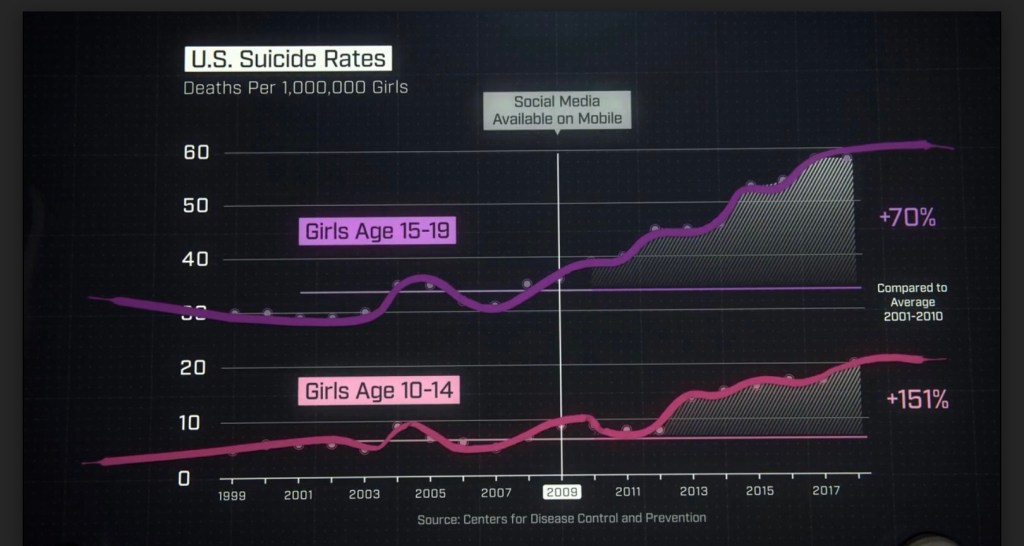
Increasing incidence of social media addiction among kids and teens

How social media is affecting the society we live in.

There are many good things that social media has brought in. Communication has become easier, cheaper, and more elaborate. But here we will be talking about how it has adversely affected our society.

  • We have gone from ‘information age’ to ‘misinformation age’: With tremendous load of fake news and hoaxes created, we have been sold lies for vested interests of anti social elements. We now have less control over who we are and what we believe.
Screengrab from the NETFLIX documentary “The Social Dilemma”
  • It has significantly affected mental health of many, specially teens: Comparing their ownself with unrealistic online filtered standards of materialistc beauty is one of the leading causes of anxiety and low self-esteem among teens. People have started using social media as a mechanism to relieve stress, loneliness and depression, which is further adding fuel to the fire. Pictures of party they didnt attend/could not attend due to some obligation will make them feel more anxious and regretful that they otherwise wouldn’t have minded.
  • Excessive social media usage has adverse effect on brain too: Attention span of those who excessively use social media decreases. Their performance at work or school decreases. They lose connection with the present. They lack feeling of being present in the moment. A constant fear of missing out on something lurks in their hearts, when they are not using social media. 
Ignoring other aspects of life.

How social media works and earns?

Social media is more or less an advertisement based industry. It traces and records each and every action of it’s users. This information of users is called data. It includes who are you? What you do? Which college you went to? Who are your close friends? Whom do you go out for dinner with? What type of posts/images/videos you like? Which brand you like? What is it that you are currently looking for? And much more. And they harvest this data to manipulate you to spend more time on their site. All these social medias are basically competing for your time. And they take special classes and brainstorming sessions on how to make their social media more persuasive.

They want you to keep scrolling. You pull down, refresh the page and boom- a new thing will come up with a dopamine dose.

Why is it bad afterall?

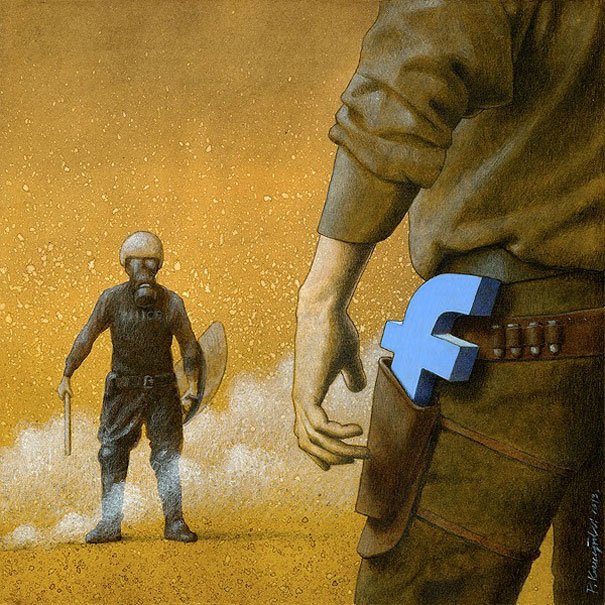
World has come to a place where we have deciet and manipulation at the centre of everything we do online. We think that we are actively choosing when we are buying something. But maybe social media algorithm had already sensed that you were searching for a particular thing and then bombarded you with ads of a particular brand, and that made you chose that brand ultimately. The algorithm is getting smarter and smarter everyday. So it wont just make you chose a particular brand at supermarket, but may also persuade your political and social beliefs. One research was done at Facebook. They used subliminal cues to see what effect it can have on elections held that year. It was concluded that they significantly influenced the number of voters that turned up for voting. This made them realise that they can influence real life decisions of humans. Influence of Facebook on US general elections of 2016 is well known. It proved that one country can manipulate other country without actually breaching the border. 

Why I call FB comment section as ever-flowing spring of hatred?

Creating two sides who don’t want to listen to each other anymore.

Look at any comment section fight. People with two views will try to shout out their opinions on one particular issue/event. This will soon escalate to an ugly fight. Others will join and this will keep on going. The conclusion is never going to be peace and understanding and consideration for other’s view. It will just end up widening the gap and deepening the hatred. So now think of millions and millions of comment section fights happening at every moment throughout the world. We as a humans are continously falling apart with increasing hatred for others. Creating two sides who don’t want to listen to each other anymore. This will manifest in the real world as discrimination, riots and violence. And indirectly this will make those victorious in elections who breed on difference of people’s views, which will again promote this difference.

Dopamine detox:

Plan your screen free trip.

Dopamine is the driving force of social media addiction. It is the one who instils the desire of one more post, one more page, one more meme, one more episode. So to come out of clutches of social media, plan a dopamine detox:

Deprive yourself of all the activities that give you dopamine for 24 hours: Social media, television, series, movies, songs, youtube, junk food/fast food/sugary food, video games, etc. You can read books, exercise, and eat simple food. Just experience boredom, and try to enjoy it. Believe me this is the simplest way of getting you off the social media addiction.

Practical solutions:

  1. Turn off all the notifications on your phone. You can easily do that in settings.
  2. Dont take your phone to your bedroom/reading room/workplace
  3. Try the app- ‘ActionDash’ to assess your screentime and plan ways to reduce it
  4. Many CEOs of various social medias don’t allow their kids to use smartphone before the age of 16. They know well what they have created.
  5. Plan Dopamine detox once in a month.

Next week we will talk about Corona. Till then plan your dopamine detox! 

The problem with quotes on the internet is that no one can confirm their authenticity.

Abraham Lincoln

Our Food Habits and Health

We talked about importance of exercise and physical activity last week. You all must be having your exercise regimen ready(if not, do it today). Now club your exercise habit with healthy eating practices to achieve your health goals. Recall that we made a health budget 2 weeks ago. Let’s take a step towards achieving the health goals we set in our health budget.

The foods we eat have the power to help us live a healthier and probably a longer life. But just as the right foods can help our health, the wrong unhealthy foods can increase our risk of obesity, heart disease, type 2 diabetes, high blood pressure, and more. So let us get into the attitude of “food for health” and fuel our body with the appropriate nutrients to boost our health and wellbeing, and prevent ourselves from varied diseases ranging from cataracts to neurodegenerative diseases to cardiovascular diseases and cancers.

Why do we eat what we eat?

Look at our food we eat daily. Breakfast, lunch, dinner. You may notice that what we are eating is not actually planned out with health as a primary motto. Factors which have (pre)decided our meals are- Local tradition, culture, ease of cooking, regional farming practices, less time consuming foods(fastfoods/snacks), taste, neighbourhood, food access, etc. Basically external forces have decided what is on our plates, instead of we choosing actively with our health in mind.

How to change?

Let us first understand few key concepts. First is the concept of calories. Food we eat gets converted to energy, and that is measured in calories. Men need avg 2200 calories per day, and women need avg 1800 calories per day. For optimum health we need to approximately meet this target.

Calorie restriction has some promising health benefits.

Calorie restriction has been proved to have health benefits ranging from weight loss and increased insulin sensitivity to better sleep patterns. But while practising calorie restriction one should ensure that he/she gets all the required nutrients. In some studies it was found that those practising rigourous calorie restriction had mineral deficiencies, decreased aerobic capacity which left them tired and sick. Hence a healthy nutritious diet along with physical activity with calorie restriction is important. It protects against loss of bone and muscle mass and maintains aerobic capacity.

The next concept is of intermittent fasting. This means that you go without food for a particular amount of time in your day or week or a month. Like few people fast for 16 hours every day and take all their three meals in the remaining eight hours, or you may fast for two days every week or you may fast for 7-8 days every month. According to a 2019 review article in the journal Nutrients, intermittent fasting promotes weight loss and may reduce risk factors linked to heart disease, and also diabetes, high blood pressure, unhealthy blood lipid levels, and inflammation.

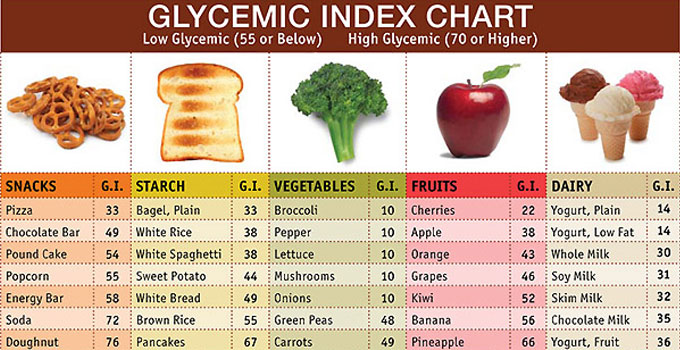
Plan meals while taking GI into account.

Next concept is of glycaemic index(GI). It is based on the amount of sugar produced in the body when you eat a particular food. High-GI foods are those that are rapidly digested, absorbed, and metabolized, and cause spikes in blood sugar and insulin levels. These include- processed food, white bread, white rice, potatoes, sugar-loaded drinks and sugary foods. This spike and crash of blood sugar levels increases insulin resistance and is responsible for significant weight gain. Also this will make us feel more fatigued and less energetic after a brief period of ‘sugar high’. Hence we should plan our meals to include foods with less glycemic index too which provide fairly constant source of energy for longer time-like vegetables, nuts, legumes, fruits, etc.

Let us now go into details of each nutrient.

Proteins: Proteins are often called the body’s building blocks. They are used to build and repair tissues. They help you fight infection. Your body uses extra protein for energy. The protein foods group includes seafood, lean meat and poultry, eggs, beans and peas, soy products, unsalted nuts and seeds, milk, curd, yogurt.

Carbohydrates: Carbohydrates are the body’s main source of energy. Try to get most of your carbohydrates from fruits, vegetables, fat-free and low-fat dairy, and whole grains rather than added sugars or refined grains. Many foods with carbohydrates also supply fiber. Fiber is a type of carbohydrate that your body cannot digest. It is found in many foods that come from plants, including fruits, vegetables, nuts, seeds, beans, and whole grains. Eating food with fiber can help prevent stomach or intestinal problems, such as constipation. It might also help lower cholesterol and blood sugar. 

Fats: Fats give you energy, and they help the body absorb certain vitamins. Many foods naturally contain fats, including dairy products; meats, poultry, seafood, and eggs; and seeds, nuts, avocados, and coconuts.

Certain kinds of fat can be bad for your health—saturated fats and trans fats- butter, meat fat, coconut, palm, palm kernel oils, cakes, cookies, and foods items like pizza, casseroles, burgers, tacos, and sandwiches, processed foods such as some desserts, microwave popcorn, frozen pizza, and coffee creamer.

Replace saturated and trans fats with following two types of healthier fats- Monounsaturated and polyunsaturated fats- canola, olive, peanut, corn, soybean, cottonseed oils, fatty fish, walnuts, sunflower, safflower oils, avocados

Vitamins and minerals: Vitamins help your body grow and work the way it should. There are 13 vitamins—vitamins A, C, D, E, K, and the B vitamins (thiamine, riboflavin, niacin, pantothenic acid, biotin, B6, B12, and folate).

Vitamins have different jobs—helping you resist infections, reduce inflammation, keeping your nerves healthy, and helping your body get energy from food or your blood to clot properly. Minerals also help your body function. Some minerals, like iodine and fluoride, are only needed in very small quantities. Others, such as calcium, magnesium, and potassium, are needed in larger amounts. As with vitamins, if you eat a varied diet you will probably get enough of most minerals.

Hydration has an impact on the brain, as well as the body, and research has shown that even mild dehydration can have a negative impact on energy levels and moods, which may heighten the symptoms of anxiety.

Water: Water is necessary for optimal health: It flushes out the waste from our body, keeps food moving along your digestive tract, helps regulate your blood pressure and body temperature, and works to cushion and protect joints, organs, and other tissues, helps in cognition and mood stabilisation.

Practical solutions:

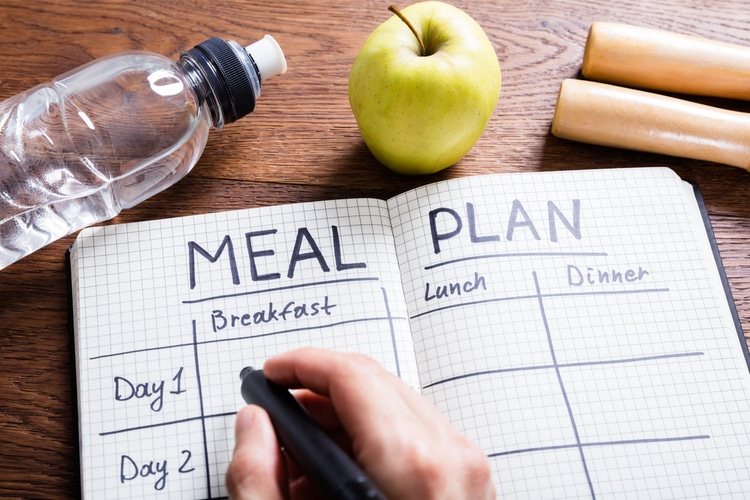
  • Plan your daily meal: With your ‘health goals’ in your mind, plan your daily meals regularly. Plan deliberately what you will eat at what time of the day. Involve everyone in the family while planning. 
  • Look at your habits: Are you knowingly unknowingly snacking all day? Are you habituated to fruit jam bread-sandwiches or vadapav for breakfast? Now think over it and look for solutions on how to change these habits. Dont keep a pack of chips or some processed food as a snack on your table. Rather have a fruit or nuts ready. Remove the cues of your unhealthy habits.
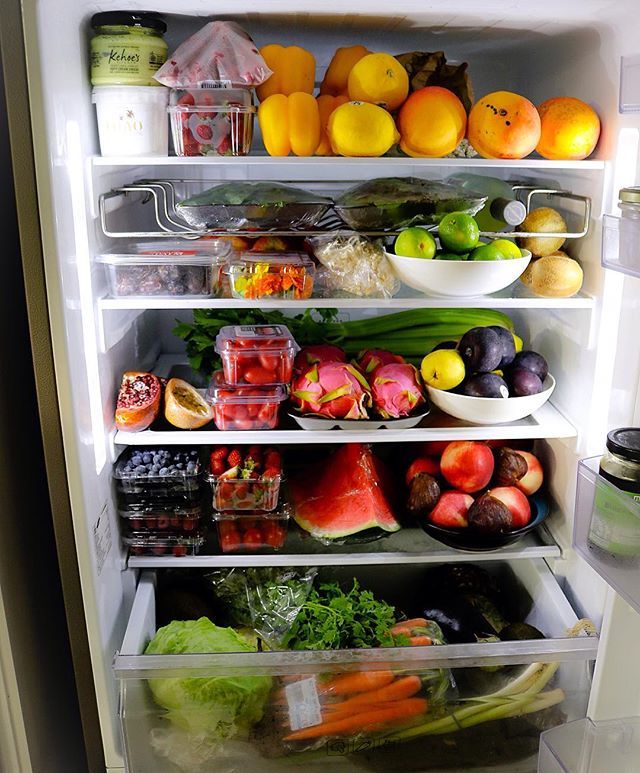
Check your fridge regularly.
  • Include more fruits: Load your fridge with fruits. Eat whole fruit rather than fruit juices. Include fruits of different colours and seasons. A study conducted in the West concluded that diet rich in fruits and vegetables significantly decreased blood pressure in those with hypertension. Fruits are not just decorative stuff for dishes. They can be a meal in itself.
  • Vegetables: Include plenty of vegetables in your diet. Increase the share of vegetables in each bite you take. Vegetables have low glycemic index and thus are good source of constant energy. Also they contain fibres, which prevent  constipation and other intestinal diseases. Go for dark, leafy greens like spinach, and other vibrant colours like red tomatoes or peppers. Also include legumes- such as peas or beans.
  • Water: Drink plenty of water throughout the day- atleast 2.5 to 3 litres. Keep a refillable water-bottle with you to stay hydrated. Water apart from many health benefits, improves your mood and attention, and keeps you focused at task. 
  • Source of fat: Avoid saturated and trans fat containing food. Replace ingredients higher in saturated fats with vegetables, whole grains, low-fat and fat-free dairy products, or lean cuts of meats and poultry. Prefer plant based oils like olive oil for cooking. Fish are source of “good fat”, prefer them over red meat.
  • Salt: This little thing is a notorious offender. Keep it as minimum as possible. Salt intake has been linked to higher blood pressure levels.
  • Look at your snack: Every snack will be healthier (and more filling) if it includes fiber-rich fruits and veggies. Avoid eating processed items and fastfood. Replace unhealthy foods with healthier ones. Get addicted to drinking water, rather than drinking soda regularly.
  • Eat together: Have meals with your family or friends together with common health goals and reinforce the belief of food for health.
Kids are very particular when it comes to food.
  • For kids: Likes and dislikes for food are established in childhood and tend to stay for lifetime. Involve kids in meal planning and preparation. Look at recipes together and be willing to try new and different things. Take them shopping with you and make them choose from different vegetables and fruits.

The food we eat affects every aspect of our life- from health of our body to our mood and attitude to quality of our sleep. Simply put, food is the medicine. Hence we should be careful about what we put into our mouths. Plan and design an ideal meal for you. Next week we will discuss about social media addiction, dopamine and dopamine detox.

The doctor of the future will no longer treat the human frame with drugs, but rather will cure and prevent disease with nutrition

Thomas Edison

Move your body

Last week we talked about sugar, sugar politics and diseases. You all must have had 24 hour sugar detox(Plan it this week if you didnt). Today we will talk about exercise- a thing which ancient humans didn’t need to do separately.

Most of the research on exercise is on walking.

Our modern luxuries and new lifestyle take us more towards a sedentary life. New occupations which flourished in last 30-40 years like IT industry, e-commerce are largely sedentary (On the other hand, lives have become more stressful). We are not moving our bodies enough. Hence the need for seperate exercise regimen for this modern piece of flesh and bones.

But less than 5% adults participate in 30 min of physical activity, also only 1 in three children are physically active. Why so? Major reason that people come up with is- lack of time. Don’t we even have 30 minutes to spare for exercise and physical health?! And because we cannot see any entertainment potential in exercise, there is lack of motivation and will to exercise despite knowing the benefits it has. 

What happens when you don’t exercise?

Your muscles stiffen and bones become weaker. Your sleep quality is affected adversely. You will end up feeling grumpy most of the time with poor stress management skills. You tend to get tired easily. Lack of exercise is linked to premature death and various lifestyle diseases- obesity being the obvious one, but also diabetes, hypertension, heart disease and brain stroke.

If you dont exercise regularly, you don’t push large amounts of blood through your heart and blood vessels on a daily basis. Both the heart and blood vessels start to stiffen. You will age early. The less you move your body, the less you’ll be able to.

What should motivate me for exercise?

As a habit: “Man is nothing but a collection of habits.” Daily exercise is a habit of all world class achievers in every field. Your habit of exercise spills over to rest of the day- boosting your will power and determination, elevates mood, improves problem solving skills and gets you in proactive attitude. People who exercise tend to avoid unhealthy food habits and enjoy their healthier diet plan.

Brain: Exercise is the most transformative thing you can do for your brain. It improves focus and attention. Many studies have suggested that the parts of the brain that control thinking and memory are larger in volume in people who exercise than in people who don’t. Engaging in a program of regular exercise of moderate intensity over six months or a year is associated with an increase in the volume of selected brain regions, like hippocampus. Isn’t this exciting?!

Heart and blood vessels: Heart muscles become stronger, fewer beats are needed to pump same amount of blood. Research shows that exercise can raise HDL levels, the so-called “good” cholesterol, which has been linked to a lower risk of heart disease. It discourages formation of blood clots in blood vessels and keeps them more flexible. Exercise helps you keep blood pressure in control.

Insulin resistance: Exercise reduces insulin resistance, and increases power of insulin to keep blood sugar in control. This prevents diabetes and obesity. Also reduces medication requirement in diabetics.

Mood and attitude: Exercise boosts your self image and self belief that you can make yourself achieve things. It improves your mood and keeps you optimistic throughout the day. Exercise is known to help reduce anxiety and depression, and improves your performance in every area of life. Exercise has been proven to help manage stress and adverse life events.

Exercise optimises your sleep cycle. You will wake up more refreshed.

Sleep: Exercise improves your quality of sleep and optimises your sleep cycle. 

Weight loss: Along with healthy diet plan, exercise helps reduce weight which is a risk factor for many chronic diseases. (But as you see, exercise is not just for weight loss, its for all- fat and lean thin, old and young)

Digestion: Exercise enhances gut health, and improves digestion and absorption of nutrients.

Other: Bones, joints and muscles become stronger and more flexible. Those with healthy muscles and bones, tend to have lesser backaches and other bodyaches. Exercise also improves coordination of body movements(a function of brain). Skin becomes healthy and looks younger and less wrinkled.

Recommendations by experts.

How to start exercising?

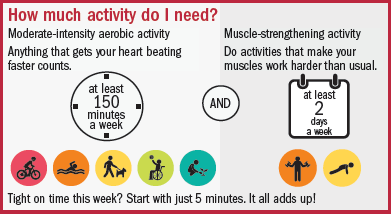
Various international research studies have recommended at least 150min/week of exercise. Choose an exercise regimen that suits you: walking briskly, running, bicycling, swimming, aerobics, a game of football, badminton, tennis, etc. Moderate exercise is considered an ideal exercise regimen. It is understood as, if you can talk in full sentences in one breathe but cannot sing- it’s moderate exercise. (Most of the researches done on effects of exercise and physical activity are on brisk walking-a moderate exercise).

To make an exercise regimen and then to stick to it demands motivation and dedication. We will have to invest thought and time in ourselves first. It may take atleast 1 month to see any effects of exercise on your body and mind. And because our habits are powered by the pleasure and gratification we get after doing that particular habit and benefit and gratification associated with exercise is so delayed, you may not feel motivated every day to continue with the habit.

Here’s a practical solution: Assign one healthy gratification just after exercise. Best is the post workout euphoria as a reward. Feel that euphoria with the depth of your heart after you finish exercise. Feel the breathe, going in and out, every moment of it. And then start craving for it purposefully when you wake up every morning. Exercise for atleast 30 days and then its an automatic thing for you. Then it’s less likely that you will stop exercising! Amazing right?

Other ways to stick to the plan: 

Measure your physical activity: You can use Pedometer to track how much you walked. Some people measure their weight regularly to track their progress. These little things will keep motivating you everyday.

Habit tracker: Everyday you exercise, mark a tick on the calender. Aim for atleast 22-23 ticks every month. Reward yourself at the end of the month once you achieve your target. Make exercise regimen with your partner, family or friends and motivate each other to stick to it.

Check out this video by the famous Leslie Samsone- where she makes you have a ‘1 mile happy walk’ in 15 minutes- https://youtu.be/X3q5e1pV4pc

Next week we will talk about food habits and diet. Till then plan out an exercise regimen for yourself.

“If you are in a bad mood go for a walk. If you are still in a bad mood go for another walk”

Hippocrates

Sugar, Sugar lobby and Diseases

Last week we talked a little bit about lifestyle and chronic diseases. You must have prepared your health budget for this month(if not, make it today). With our health budget we hope that our desire to live a healthy life and efforts for it will definitely increase.

Today we will talk about Sugar. Visit any grocery store and see the contents of some packed food (biscuits, chips, candies, cakes, chocolates, toffees, breads, bhujias, namkeens, sauces, ketchup, noodles, pasta, package juices, soft drinks, soda- all yummy right?!). You will see sugar written under different names – sucrose, dextrose, barley malt, agave nectar, high fructose, corn syrup, etc. In some products, the amount of sugar may even be hidden. Prior to 1950s, most of our diet wasn’t so ‘sweet’. So from where did our diet suddenly get so much of sugar today? To understand this, let’s get into history of medical research.

From where did our diet suddenly get so much of sugar today?!

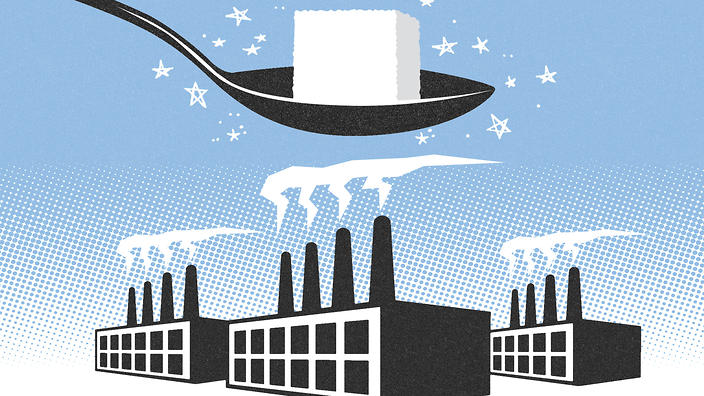
In 1950, when life-style and chronic diseases began to grow in Western countries, the medical field began it’s quest to find the causes. The primary finding that came up- fats (oils) were responsible for this. This medical discovery led to troubles for the meat and fat industry. At that time, fat was used as ‘taste-filler’ in food products. Now they replaced fat with high amounts of sugars to keep the food products tasty.  To save these sugary products from meeting a similar fate as fats, an organization called The Sugar Association ran a public relations campaign in 1976. This included influencing and manipulating Food and Drug Administration (FDA) and shifting attention of medical research away from sugars, and diverting it towards fat. Huge sum of money was invested to project fats alone as the cause of increasing diseases and to keep people in the dark regarding the effects of processed sugary products. 

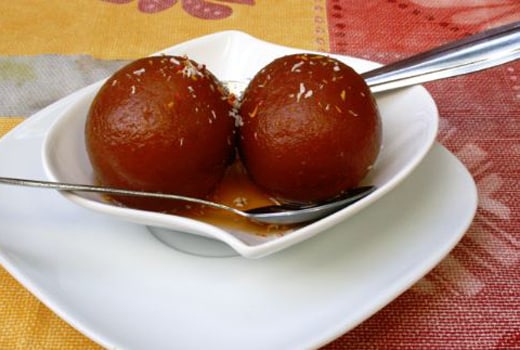
The first gulab-jamun.

Also it was discovered that sugar has addictive potential. (You can deny the first gulab-jamun, but after eating one gulab-juman, you cannot resist a second one). Circuits in your brain that are for cannabinoids(illicit drugs) are also stimulated when you eat sweet. After this discovery, all the food companies saw a lot of market potential in sugar. They kept this thing away from the public and used this fact for their business. This is a classic example of exploitation of medical research.

Okay that’s fine, but why is sugar bad after all?

Childhood obesity is an increasing health hazard in the society.

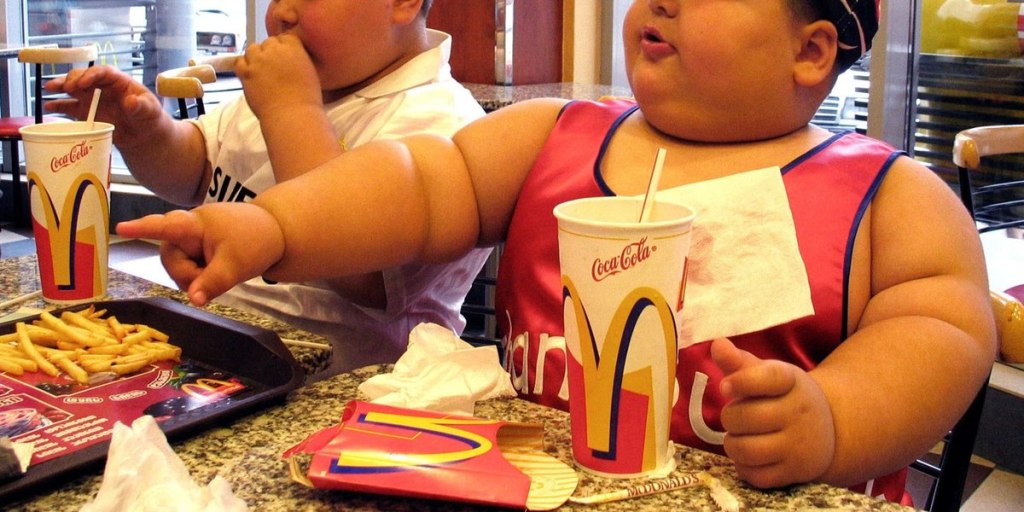
Our body converts excess amount of sugar to triglycerides and VLDL. These two accumulate in the liver and are responsible for non-alcoholic fatty liver diseases and also for increase in cholesterol. These triglycerides also reduce the strength of insulin, which is responsible for diabetes. This has also led to an increase in cases of diabetes at an early age. Currently one in 4 adolescents in the United States have prediabetes and childhood obesity is an increasing health hazard in the society. Medical research clearly shows the amount of sugar (processed food) in your daily diet and the relationship between heart attack, brain stroke and diabetes.

Alcohol, sugars and diabetes.

It is now evident that alcoholics are at a higher risk for diabetes, hypertention, heart diseases and stroke. But the countries with the highest incidence of diabetes are- Saudi Arabia, Kuwait, Qatar, UAE, and Malaysia. In these Muslim countries alcohol is banned, then why do they have so much of diabetes there? Cold drinks. These coldrinks contain huge amounts of sugar. Because of hot weather and foolproof marketing of the coldrink companies, people have become habituated to cold drinks. Morning, afternoon, evening, kids and adults, men and women, everyone can take a cold-drink anywhere(which is not the case with alcohol-also not glorifying alcohol). This amount of sugar spoils the internal balance of our body. Insulin becomes inefficient- and this is the reason for obesity and an invitation for diabetes.

Recently an experiment was performed in the United States. Two basketball teams, a red team and a blue team were given drinks at the end of their game. The red team was given a sugar-rich drink and the blue team was given a normal drink. Both teams didnt know that they had different drinks. Half an hour later, both teams were called for buffet dinner. Both teams had separate tables with the same food items. The red team who had a sugary drink consumed extra 1000 calories compared to blue team. Which means the suger-rich drink made the red team more hungry than the blue team. Your body has a feedback system which notifies you when you are full. Excess sugar weakens this system. If you reduce your sugar intake, you will eat appropriate.

So what can we do?

  1. Know which food contains excess sugar and artificial sweetners.(Just taking sugar-free tea isn’t diet control, Indians!) Avoid processed food and softdrinks, and if feasible, stop taking them altogether. Your diet can be simple and nutritious and still be tasty. Different such recipes are available online. Give them a try!

  2. With health conscious eyes, check your fridge regularly. Fill it with fruits and vegetables rather than processed and packed food.

 3. When you go to the market, avoid going into the processed food section altogether.

 4. Learn about Sugar Detox online, and try it with your family/friends at least once.

Help kids choose their favourite from fruits and vegetables.

  5. Inculcate the principle of ‘food for health’ in children from a young age. Encourage them to cut down on chocolates and toffees themselves. Help them choose their favourite from fruits and vegetables.

 6. The government and NGOs should increase public awareness and discourage processed food market. As with tobacco, increasing taxation on processed food may reduce consumption by society as a whole.

 The sugar industry puts in lots of thought and research on exactly how much sugar to add to your diet. So you can definitely take these measures for your own health.

  All this I talked about sugar and artificial sweeteners. Not about natural sweets. You may take them in appropriate proportions. Like fruit, dates, honey, etc. are beneficial for health.

Finally thanks to Professor Dr Robert Lustig, who did a lot of research and and spread awareness regarding sugar industry. 

For further information, you may like the BBC’s ‘Truth About Sugar‘ online documentary. 

We will talk about physical activity and exercise next week. Until then, plan your Sugar Detox.

“The problem is we are not eating food anymore, we are eating food-like products”

The pandemic less understood.

(No, not talking about Corona)

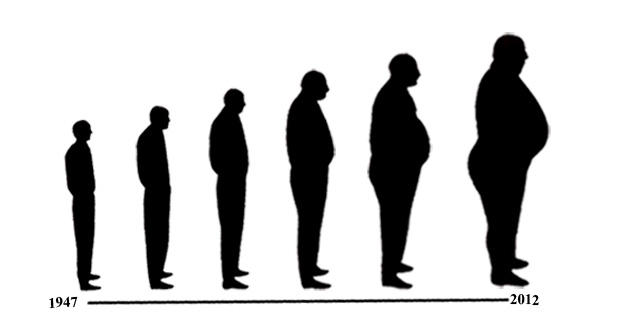
The world changed a lot after the Industrial Revolution. People’s lifestyles changed. People’s thoughts changed. People’s habits changed. Types of entertainment changed. What has not changed is this human body. This body did not get a chance to adapt to the rapid change it was subjected to. The health effects of this can be seen in the form of this pandemic. It is a pandemic of lifestyle and chronic diseases. These are the diseases that afflict a person for a long time and do not spread to each other (as corona spreads)- Hypertension, diabetes, cancer, heart disease, brain strokes (paralysis), obesity, etc.

Obesity is constantly rising health problem in the society

 According to the World Health Organization, 71% of deaths worldwide each year are due to these lifestyle diseases. (Can our country afford such a heavy burden on the already weak healthcare system?)

 The reasons for this pandemic are many

 1. Life 2. Exercise 3. Tobacco 4. Alcohol 5. Climate change. 

(Upcoming articles will shed some more light on these causes)

Modern lifestyle is much responsible for this. Everyone wants everything fatafat. Fast food, fast money, instant entertainment and fast life regardless of whether there is meaning or conscience in those things. As a result, human beings have committed serious atrocities on their physical and mental health. Lifestyle diseases are preventable. As it is not curable, it is important to take precautionary measures before getting sick. We can deal with these diseases by changing our lifestyle habits, balanced diet and regular exercise. International medical research has clearly shown that diet control alone can reduce the risk of diabetes. 

The approach to this unique and relatively new ‘pandemic’ will not fit the old framework of treating diseases. Both infectious diseases and these lifestyle diseases cannot be seen through the same glasses. How people get sick today and the common causes of death have changed in past 3-4 decades. What is needed now is a new medical revolution incorporating lifestyle and diet into mainstream therapy.

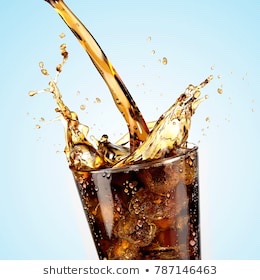
One coke a day increases risk of diabetes by 25%

While medical field has not changed much, but the market has changed a lot. The market has become adept at selling you its products. Regardless of whether it is needed/beneficial for you or not. They care about your tongue, not your health. (Same is true for you too!) I (unaffectionately) refer to colddrinks as non-intoxicating alcohol. There is no taste, there is no health benefit but harm, burning sensation while swallowing, acidity in the stomach, then why does today’s society buy it and give that company a billion dollar business? This is solid marketing.

So now there is a dire need to talk about these issues and awaken the people. There should be atleast an awareness of what we eat, how much our body moves, how we sleep. We must take responsibility for our own health. If you are healthy, the society will be healthy and then the country will benefit. If today’s youth, plagued by many addictions, becomes a healthy workforce of the country, it is hoped that the society and the country will prosper. Why can we not see our health as an asset to ourselves and the country too?

Planning health budget together with all family members will increase the chances of it being successfully followed. Also it will enhance relationships.

A simple practical solution: As we make money budgets at the end of each month. Make a health budget too. How many days did you exercise last month. How much food was inappropriate in terms of nutrition and quantity. Grade your quality of sleep. Write down all these unhealthy habits. Make next month’s health budget accordingly. Write down what you will include in your diet, what you will reduce, and what foods you will stop. Also, you need to set a time for exercise, plan which exercise, how long, and so on. Make this health budget with your family and include the opinions and thoughts of everyone- elders and children. And finally, write two sentences on how you will benefit from implementing this healthy budget and how it will change your life and family environment. And poster those two sentences in large letters clearly in your kitchen.

This series of articles will be written with the aim of creating awareness in the society, empowering the society on how to take care of one’s own health and how to save oneself from getting sick in the first place. I would suggest you read and think about these articles along with your family and friends and think about practical solutions that you can implement. Next we will talk about “Sugar, Sugar Lobby and Illness”. Until then, make your health budget. 

“Healthy citizens are the greatest asset any country can have”

Winston CHurchill

Design a site like this with WordPress.com
Get started