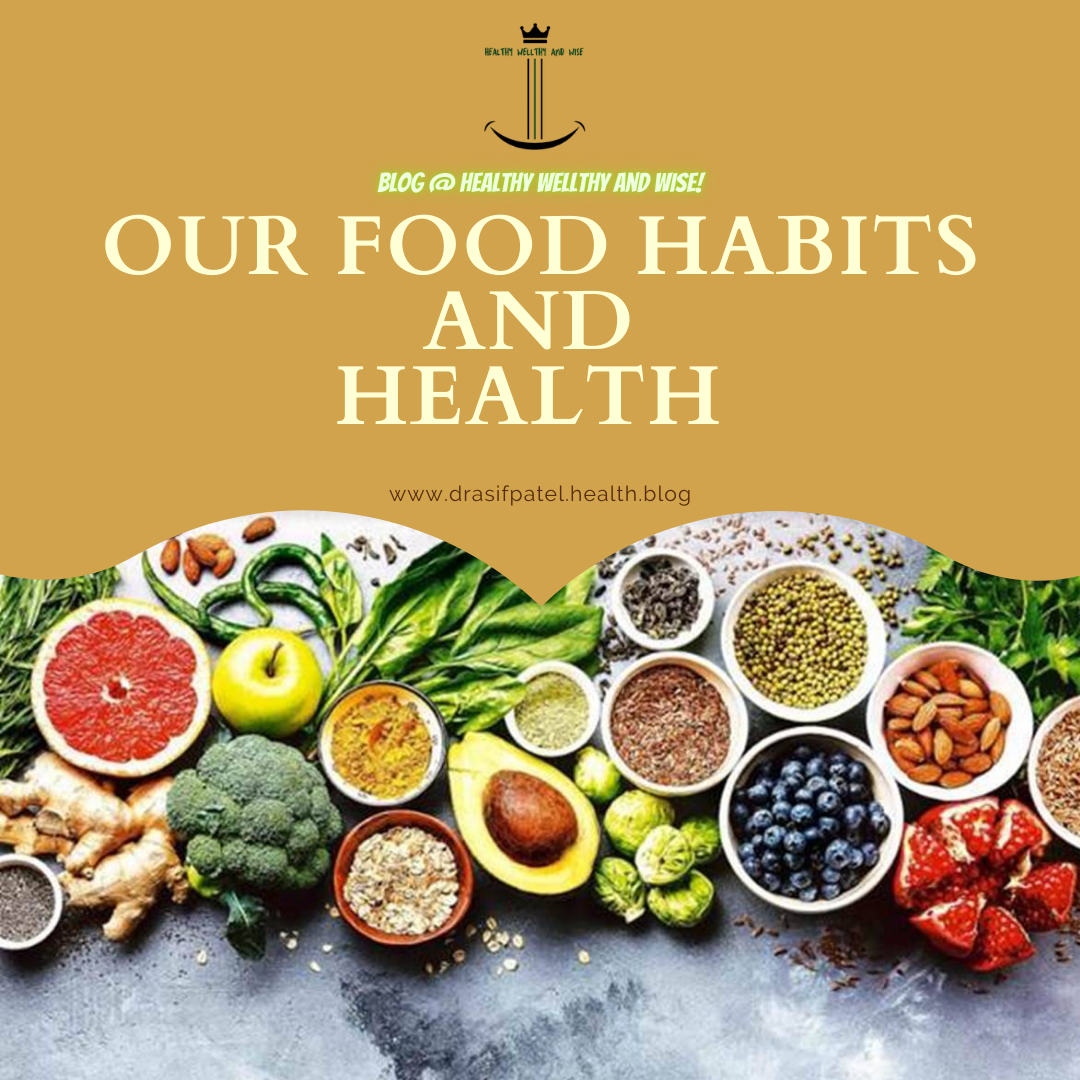
We talked about importance of exercise and physical activity last week. You all must be having your exercise regimen ready(if not, do it today). Now club your exercise habit with healthy eating practices to achieve your health goals. Recall that we made a health budget 2 weeks ago. Let’s take a step towards achieving the health goals we set in our health budget.
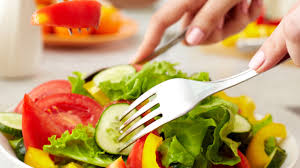
The foods we eat have the power to help us live a healthier and probably a longer life. But just as the right foods can help our health, the wrong unhealthy foods can increase our risk of obesity, heart disease, type 2 diabetes, high blood pressure, and more. So let us get into the attitude of “food for health” and fuel our body with the appropriate nutrients to boost our health and wellbeing, and prevent ourselves from varied diseases ranging from cataracts to neurodegenerative diseases to cardiovascular diseases and cancers.
Why do we eat what we eat?
Look at our food we eat daily. Breakfast, lunch, dinner. You may notice that what we are eating is not actually planned out with health as a primary motto. Factors which have (pre)decided our meals are- Local tradition, culture, ease of cooking, regional farming practices, less time consuming foods(fastfoods/snacks), taste, neighbourhood, food access, etc. Basically external forces have decided what is on our plates, instead of we choosing actively with our health in mind.
How to change?
Let us first understand few key concepts. First is the concept of calories. Food we eat gets converted to energy, and that is measured in calories. Men need avg 2200 calories per day, and women need avg 1800 calories per day. For optimum health we need to approximately meet this target.
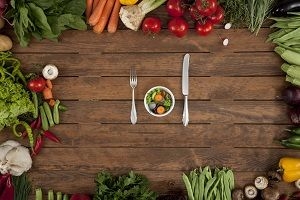
Calorie restriction has been proved to have health benefits ranging from weight loss and increased insulin sensitivity to better sleep patterns. But while practising calorie restriction one should ensure that he/she gets all the required nutrients. In some studies it was found that those practising rigourous calorie restriction had mineral deficiencies, decreased aerobic capacity which left them tired and sick. Hence a healthy nutritious diet along with physical activity with calorie restriction is important. It protects against loss of bone and muscle mass and maintains aerobic capacity.
The next concept is of intermittent fasting. This means that you go without food for a particular amount of time in your day or week or a month. Like few people fast for 16 hours every day and take all their three meals in the remaining eight hours, or you may fast for two days every week or you may fast for 7-8 days every month. According to a 2019 review article in the journal Nutrients, intermittent fasting promotes weight loss and may reduce risk factors linked to heart disease, and also diabetes, high blood pressure, unhealthy blood lipid levels, and inflammation.
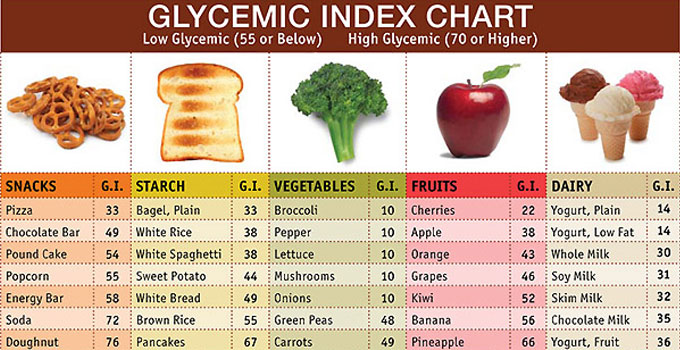
Next concept is of glycaemic index(GI). It is based on the amount of sugar produced in the body when you eat a particular food. High-GI foods are those that are rapidly digested, absorbed, and metabolized, and cause spikes in blood sugar and insulin levels. These include- processed food, white bread, white rice, potatoes, sugar-loaded drinks and sugary foods. This spike and crash of blood sugar levels increases insulin resistance and is responsible for significant weight gain. Also this will make us feel more fatigued and less energetic after a brief period of ‘sugar high’. Hence we should plan our meals to include foods with less glycemic index too which provide fairly constant source of energy for longer time-like vegetables, nuts, legumes, fruits, etc.
Let us now go into details of each nutrient.
Proteins: Proteins are often called the body’s building blocks. They are used to build and repair tissues. They help you fight infection. Your body uses extra protein for energy. The protein foods group includes seafood, lean meat and poultry, eggs, beans and peas, soy products, unsalted nuts and seeds, milk, curd, yogurt.
Carbohydrates: Carbohydrates are the body’s main source of energy. Try to get most of your carbohydrates from fruits, vegetables, fat-free and low-fat dairy, and whole grains rather than added sugars or refined grains. Many foods with carbohydrates also supply fiber. Fiber is a type of carbohydrate that your body cannot digest. It is found in many foods that come from plants, including fruits, vegetables, nuts, seeds, beans, and whole grains. Eating food with fiber can help prevent stomach or intestinal problems, such as constipation. It might also help lower cholesterol and blood sugar.
Fats: Fats give you energy, and they help the body absorb certain vitamins. Many foods naturally contain fats, including dairy products; meats, poultry, seafood, and eggs; and seeds, nuts, avocados, and coconuts.
Certain kinds of fat can be bad for your health—saturated fats and trans fats- butter, meat fat, coconut, palm, palm kernel oils, cakes, cookies, and foods items like pizza, casseroles, burgers, tacos, and sandwiches, processed foods such as some desserts, microwave popcorn, frozen pizza, and coffee creamer.
Replace saturated and trans fats with following two types of healthier fats- Monounsaturated and polyunsaturated fats- canola, olive, peanut, corn, soybean, cottonseed oils, fatty fish, walnuts, sunflower, safflower oils, avocados
Vitamins and minerals: Vitamins help your body grow and work the way it should. There are 13 vitamins—vitamins A, C, D, E, K, and the B vitamins (thiamine, riboflavin, niacin, pantothenic acid, biotin, B6, B12, and folate).
Vitamins have different jobs—helping you resist infections, reduce inflammation, keeping your nerves healthy, and helping your body get energy from food or your blood to clot properly. Minerals also help your body function. Some minerals, like iodine and fluoride, are only needed in very small quantities. Others, such as calcium, magnesium, and potassium, are needed in larger amounts. As with vitamins, if you eat a varied diet you will probably get enough of most minerals.

Water: Water is necessary for optimal health: It flushes out the waste from our body, keeps food moving along your digestive tract, helps regulate your blood pressure and body temperature, and works to cushion and protect joints, organs, and other tissues, helps in cognition and mood stabilisation.
Practical solutions:
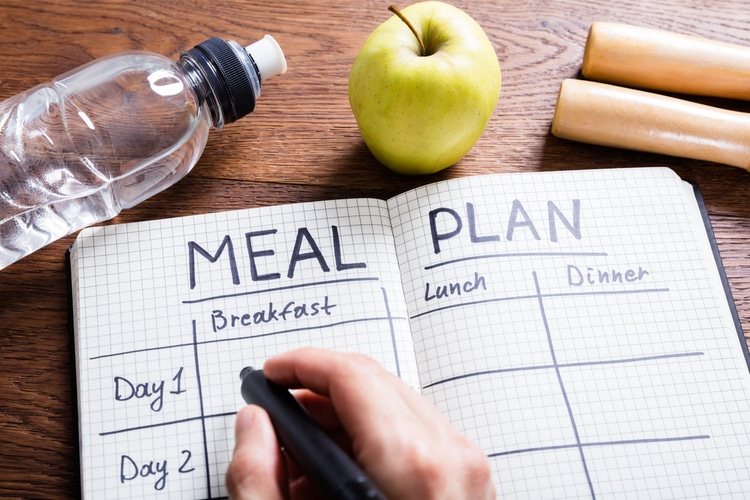
- Plan your daily meal: With your ‘health goals’ in your mind, plan your daily meals regularly. Plan deliberately what you will eat at what time of the day. Involve everyone in the family while planning.
- Look at your habits: Are you knowingly unknowingly snacking all day? Are you habituated to fruit jam bread-sandwiches or vadapav for breakfast? Now think over it and look for solutions on how to change these habits. Dont keep a pack of chips or some processed food as a snack on your table. Rather have a fruit or nuts ready. Remove the cues of your unhealthy habits.
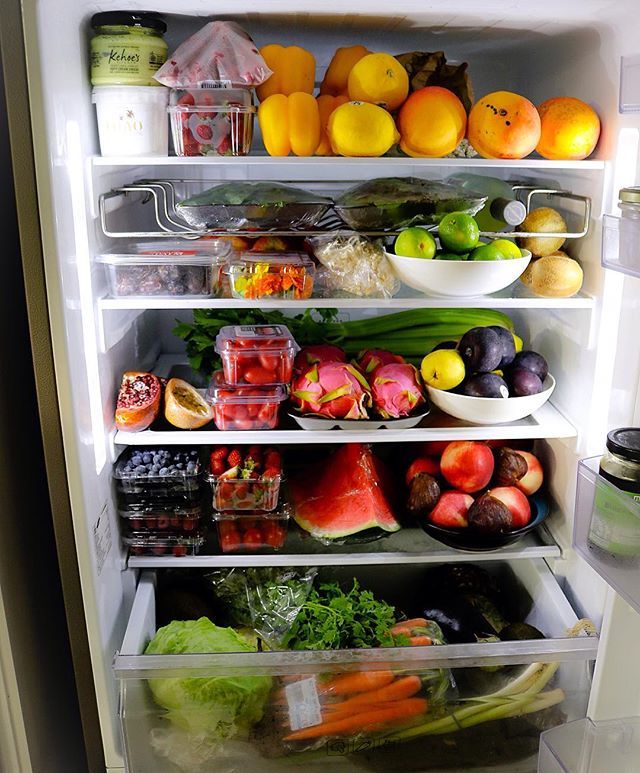
- Include more fruits: Load your fridge with fruits. Eat whole fruit rather than fruit juices. Include fruits of different colours and seasons. A study conducted in the West concluded that diet rich in fruits and vegetables significantly decreased blood pressure in those with hypertension. Fruits are not just decorative stuff for dishes. They can be a meal in itself.
- Vegetables: Include plenty of vegetables in your diet. Increase the share of vegetables in each bite you take. Vegetables have low glycemic index and thus are good source of constant energy. Also they contain fibres, which prevent constipation and other intestinal diseases. Go for dark, leafy greens like spinach, and other vibrant colours like red tomatoes or peppers. Also include legumes- such as peas or beans.
- Water: Drink plenty of water throughout the day- atleast 2.5 to 3 litres. Keep a refillable water-bottle with you to stay hydrated. Water apart from many health benefits, improves your mood and attention, and keeps you focused at task.
- Source of fat: Avoid saturated and trans fat containing food. Replace ingredients higher in saturated fats with vegetables, whole grains, low-fat and fat-free dairy products, or lean cuts of meats and poultry. Prefer plant based oils like olive oil for cooking. Fish are source of “good fat”, prefer them over red meat.
- Salt: This little thing is a notorious offender. Keep it as minimum as possible. Salt intake has been linked to higher blood pressure levels.
- Look at your snack: Every snack will be healthier (and more filling) if it includes fiber-rich fruits and veggies. Avoid eating processed items and fastfood. Replace unhealthy foods with healthier ones. Get addicted to drinking water, rather than drinking soda regularly.
- Eat together: Have meals with your family or friends together with common health goals and reinforce the belief of food for health.

- For kids: Likes and dislikes for food are established in childhood and tend to stay for lifetime. Involve kids in meal planning and preparation. Look at recipes together and be willing to try new and different things. Take them shopping with you and make them choose from different vegetables and fruits.
The food we eat affects every aspect of our life- from health of our body to our mood and attitude to quality of our sleep. Simply put, food is the medicine. Hence we should be careful about what we put into our mouths. Plan and design an ideal meal for you. Next week we will discuss about social media addiction, dopamine and dopamine detox.
The doctor of the future will no longer treat the human frame with drugs, but rather will cure and prevent disease with nutrition
Thomas Edison
 Healthy Wellthy and Wise